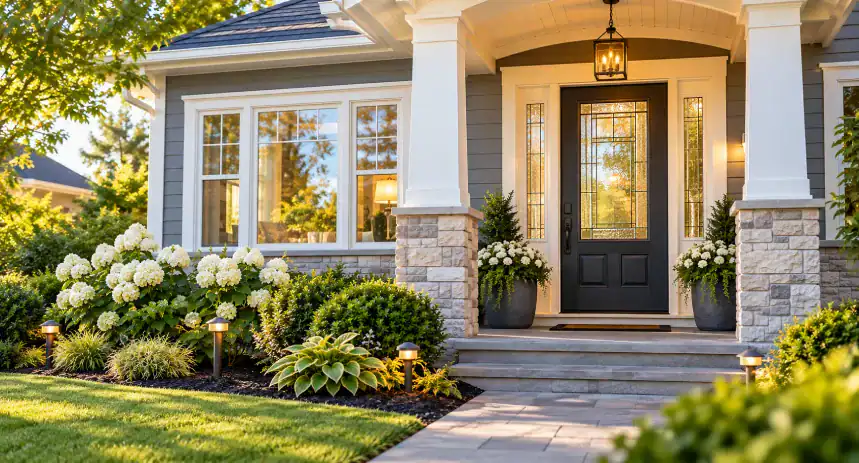
First Impressions Start Before Anyone Walks Through the Door
When you’re preparing to sell your home—or simply want to improve the way it looks—it’s easy to focus on what happens inside.
New paint. Updated fixtures. Fresh flooring. A remodeled kitchen.
Those improvements certainly matter, but there’s something people experience first:
The outside of your home.
Your front entry, windows, exterior condition, and overall curb appeal begin shaping someone’s impression before they ever step through the door.
And sometimes, improving that first impression doesn’t require a major renovation.
What Do People Notice First About a Home?
Stand across the street and look at your home as though you’ve never seen it before.
What catches your eye?
For many homes, several prominent features naturally stand out:
- The front door and entryway
- Windows
- Glass condition and clarity
- Exterior paint and trim
- Landscaping
- Walkways and porch areas
- Overall maintenance

Individually, these may seem like relatively small details.
Together, they communicate something much bigger: how well the home appears to have been cared for.
That’s why the condition of what you already have can be just as important as adding something new.
Why Does the Front Entry Matter So Much?
The front entry naturally becomes a focal point.
It’s where visitors walk. It’s where packages arrive. It’s where guests wait before coming inside.
And if you’re selling, it’s often where a potential buyer spends several moments standing while the door is being unlocked.
That gives them plenty of time to notice the details.
An attractive, well-maintained entry can help the exterior feel more welcoming and complete. Conversely, visibly damaged or dated components can distract from everything surrounding them.
Before considering an entirely new entrance, look at the individual pieces.
Sometimes updated front door glass, hardware, lighting, or a fresh finish may provide the change you’re looking for without rebuilding the entire entry.
Does Clear Window Glass Affect Curb Appeal?
It can.
Windows make up a substantial visual portion of many home exteriors.
When the glass is clear and in good condition, you probably don’t think much about it. But foggy, cracked, stained, or damaged glass can become much more noticeable.
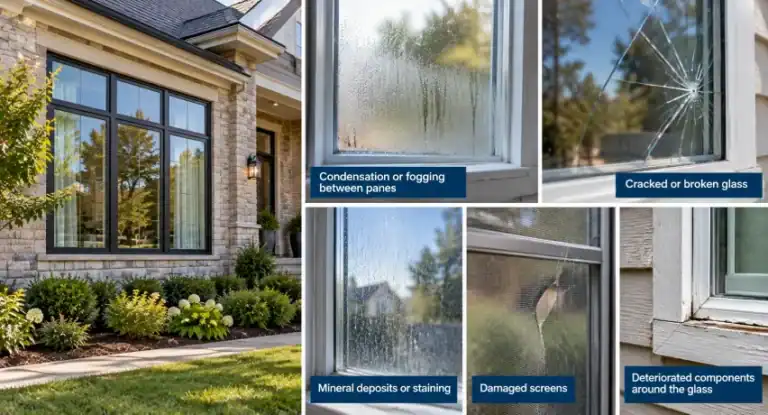
Common issues include:
- Condensation or fogging between panes
- Cracked or broken glass
- Mineral deposits or staining
- Damaged screens
- Deteriorated components around the glass
Some of these problems may be repairable without replacing the entire window.
For example, if an insulated glass unit has failed but the window frame remains in good condition, glass-only replacement may be worth exploring.
The goal is to correct the problem—not automatically replace everything around it.
Do You Need New Windows to Make Your Home Look Better?
Not necessarily.
If the windows themselves have significant structural problems, full replacement may be appropriate.
But appearance alone doesn’t tell you what’s actually wrong.
A cloudy window might have a failed insulated glass unit. A single cracked pane might require glass replacement. Surface staining might call for restoration rather than replacement.
That’s why an evaluation can be useful before making a larger investment.
Find the problem first. Then choose the solution.
You may discover that improving the appearance of your existing windows requires less work than you initially expected.
What Small Exterior Upgrades Can Make a Big Difference?
Start with highly visible areas rather than trying to change everything at once.
Consider:
Front door glass
Update dated or damaged glass when the existing door is still appropriate for the home.
Foggy windows
Have moisture between panes evaluated to determine whether the insulated glass has failed.
Cracked or broken glass
Address obvious damage that makes an otherwise maintained exterior look neglected.
Screens
Repair torn, loose, or damaged screens that are easily visible from outside.
Exterior glass surfaces
Address staining or buildup that makes otherwise functional glass appear cloudy.
Then look beyond the glass.
Cleaning the entry, trimming landscaping, touching up paint, updating house numbers, and improving exterior lighting can complement these fixes without requiring a major renovation.

Can Curb Appeal Affect How Buyers Perceive a Home?
Curb appeal can contribute to the overall impression someone forms when approaching a property.
That doesn’t mean replacing a piece of glass automatically increases a home’s sale price by a specific amount. There are too many factors involved to make that kind of promise.
But appearance and maintenance can influence perception.
A clean, well-maintained exterior can communicate that the home has received attention and care. Visible damage or neglected details may raise additional questions.
If you’re preparing to sell, that makes it worthwhile to address obvious exterior issues before focusing exclusively on cosmetic changes inside.
Should You Make These Improvements If You’re Not Selling?
Absolutely.
Curb appeal isn’t exclusively about prospective buyers.
You see your home every day, too.
Walking up to a clean, well-maintained entry can change how the home feels to you and your family.
Clear glass can bring more natural light inside. Updated entry glass can improve privacy or appearance. Repairing a broken window or damaged screen restores function as well as appearance.
Those benefits matter whether you’re selling next month or planning to stay for years.
Where Should You Start?
Don’t try to improve everything at once.
Take a walk around the exterior and ask:
What’s damaged?
Address broken or deteriorating components first.
What’s noticeably dated?
Look for highly visible features that no longer complement the home.
What’s affecting function?
Doors and windows should do more than look good—they need to work properly.
What can be repaired instead of completely replaced?
Before committing to a larger project, determine whether a targeted repair could solve the problem.
Then prioritize the changes that address a real need while improving the overall appearance of the home.
Bottom Line
A strong first impression doesn’t necessarily require a completely new exterior.
Start with what people actually see.
Your entry. Your windows. The clarity and condition of your glass. And the details that show whether your home has been cared for.
Fixing damaged glass, clearing up foggy windows, updating an entry, or repairing worn screens may seem small individually—but together, those details can help your home feel cleaner, clearer, and more inviting.
And that’s valuable whether you’re preparing for potential buyers, holiday guests, or simply coming home yourself.
Make Your First Impression Count
Your local Glass Guru can help identify damaged, outdated, or inefficient glass around your home and explain which issues may be repaired and which may require replacement.
Schedule a consultation and discover which glass upgrades make sense for your home.
Disclaimer- Not all services are available in all markets. Contact your local The Glass Guru for service availability. Each location is independently owned and operated.