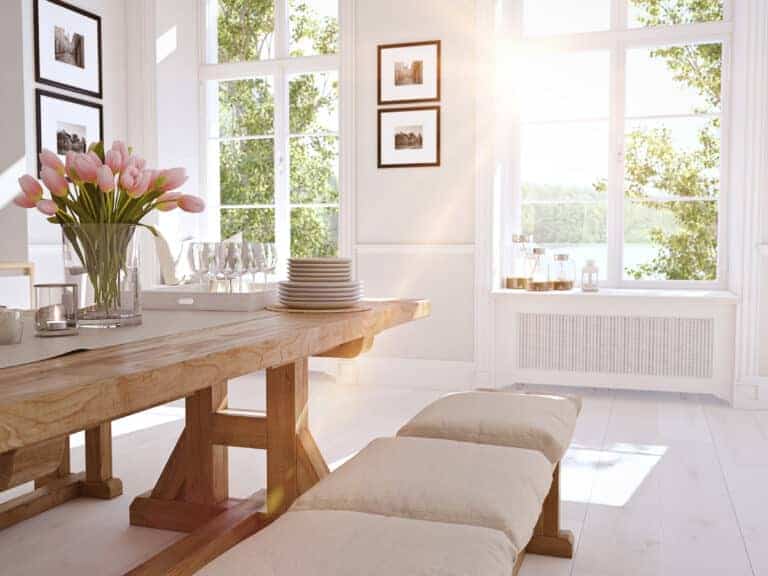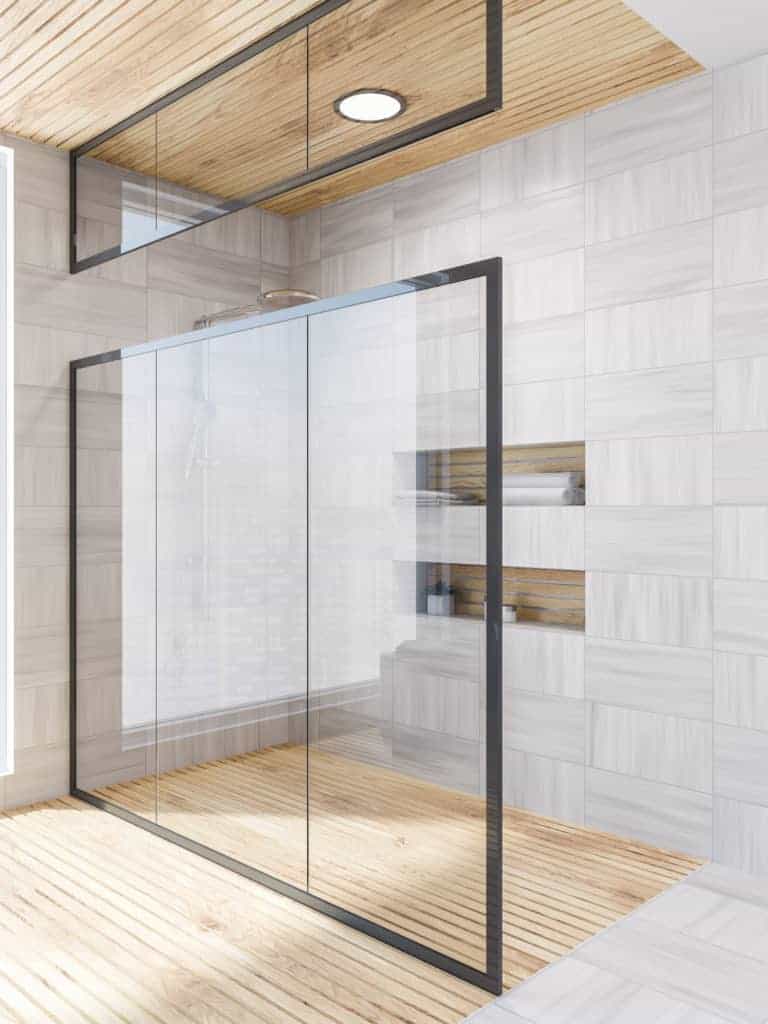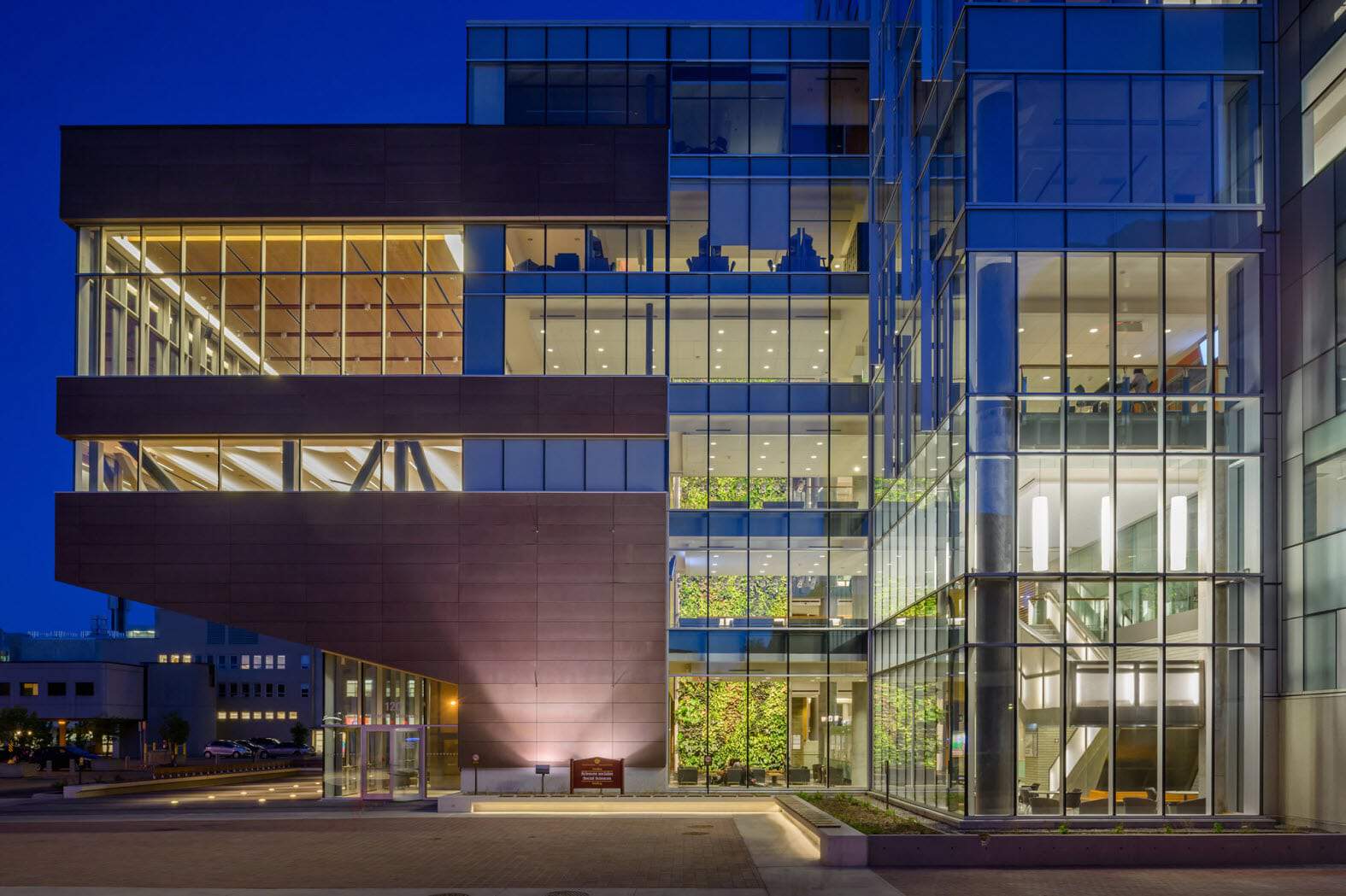
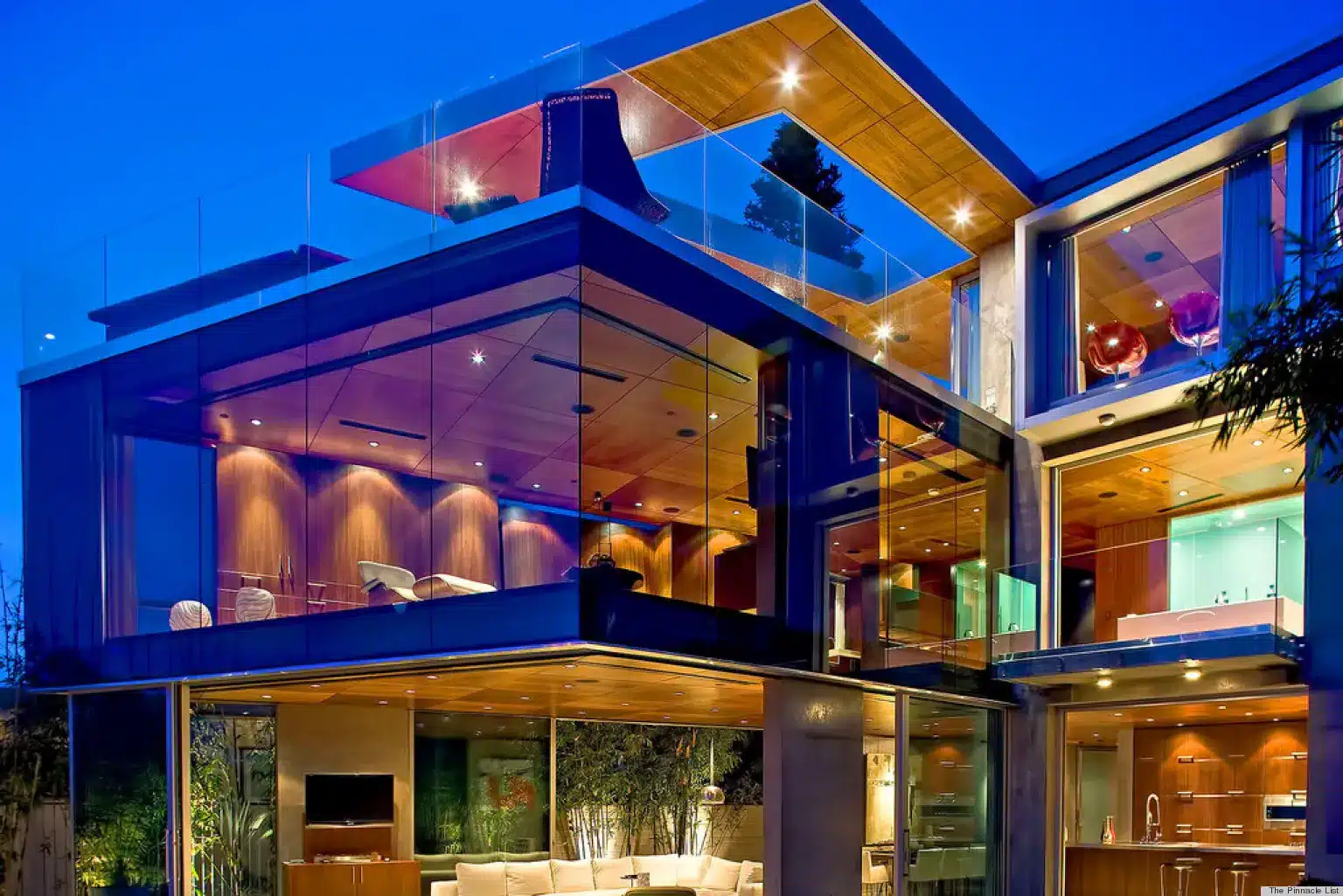
Building design plays a crucial role in creating a healthy and safe environment for both residential & Commercial occupants. One key aspect of this is ensuring ample access to natural light. Natural light has numerous benefits for the human body and mind, and should be considered a critical element in any building design. In this blog post, we will explore the importance of natural light and how it can support health and safety.
Productivity:
Studies have shown that access to natural light can significantly improve productivity in the workplace. People who work in spaces with natural light have reported feeling more alert, focused, and motivated. In contrast, those who work in poorly lit spaces have reported feeling more tired and less productive. Therefore, a building design that maximizes natural light can help to promote productivity.
Mental Function:
Natural light has been shown to improve mental function, including mood, cognitive performance, and memory. Exposure to natural light can reduce stress, anxiety, and depression. Therefore, a building design that maximizes natural light can promote mental well-being and improve mental health outcomes.
Thermal Comfort:
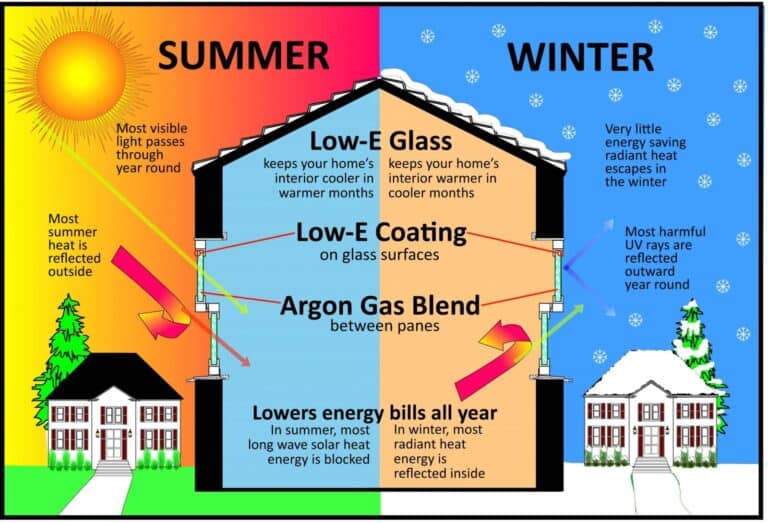
Access to natural light can also improve thermal comfort in a building. Natural light provides warmth and can reduce the need for artificial heating in the winter. Additionally, natural light can help to regulate temperatures in the summer by reducing the need for artificial cooling. Therefore, a building design that maximizes natural light can help to reduce energy costs and improve thermal comfort.
Acoustics:
Natural light can also have an impact on acoustics within a building. By reducing the need for artificial lighting, natural light can also reduce noise levels. This can be especially important in open-plan workspaces where noise levels can be a significant issue. Therefore, a building design that maximizes natural light can help to create a more peaceful and productive environment.
Ventilation:
Maximizing natural light can also improve ventilation within a building. Natural light can be used to create airflow and improve the quality of indoor air. Additionally, natural light can reduce the need for air conditioning, which can have a positive impact on the environment. Therefore, a building design that maximizes natural light can help to improve air quality and reduce energy costs.
Views:
Natural light can also provide views of the outside world. Access to natural light and outdoor views can improve mental well-being and reduce stress levels. Therefore, a building design that maximizes natural light can help to promote mental health and well-being.
Protection and Security:
While natural light is essential for health and safety, it is also important to consider protection and security. A building design should balance natural light with the need for protection and security. Natural light can be used to create a sense of openness and transparency while still maintaining privacy and security.
Wildlife Protection:
Finally, it is important to consider the impact of building design on wildlife. Maximizing natural light can help to create a more natural environment that supports wildlife. This can include using natural light to create habitats for birds and insects or using natural light to reduce light pollution that can harm wildlife.
In conclusion, natural light is a critical element of residential & commercial design that can support health and safety in numerous ways. From productivity and mental function to thermal comfort, acoustics, ventilation, views, protection, security, and wildlife protection, natural light plays a crucial role in creating a healthy and safe environment. By prioritizing natural light in building design, we can create buildings that promote well-being and improve quality of life for occupants.
This article is based on Urmilla Sowell’s presentation, “Buildings and Health,” delivered in December at the United Nations headquarters in New York City to recognize the closing of the UN’s 2022 International Year of Glass. Learn more about IYOG and the National Glass Association and watch the original presentation by Urmilla Sowell below here.