Your glass door worked fine all spring.
Then summer arrived—and suddenly it sticks, drags, won’t close properly, or seems harder to open than ever.
That may not be a coincidence.
High temperatures can put additional stress on sliding and patio door components, especially when parts are already worn or damaged. Heat may not be the only reason your door is acting up, but it can make an existing problem much more noticeable.
Here’s what may be happening—and when it’s time to have your door checked.
Can Hot Weather Affect Sliding Glass Doors?
Yes, although the heat itself isn’t always the underlying problem.
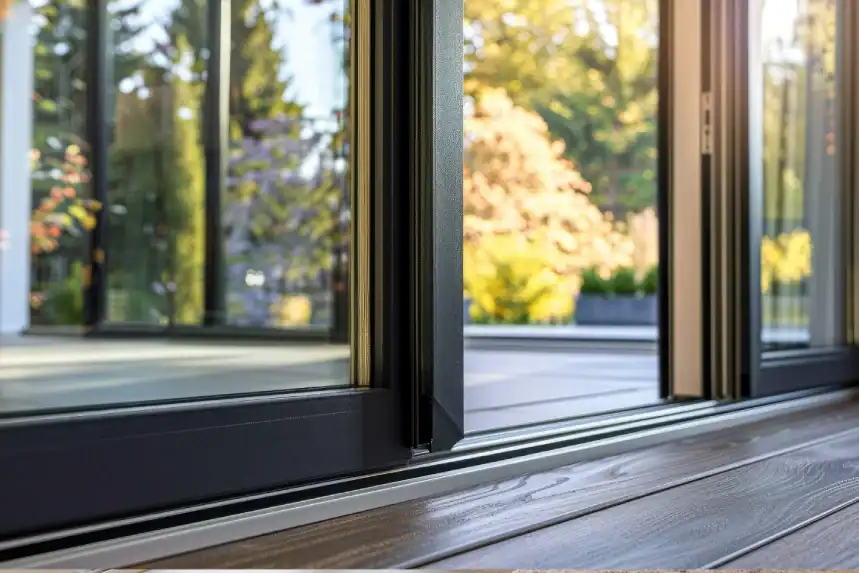
Sliding glass doors are made up of several components working together, including:
- Glass
- Frame
- Rollers
- Track
- Locks and handles
- Weatherstripping
Materials naturally expand and contract as temperatures change. If your door already has worn rollers, alignment issues, damaged tracks, or deteriorating components, extreme summer temperatures can make those problems more noticeable.
That’s why a door that seemed “a little difficult” in the spring may suddenly become much harder to operate during the hottest part of summer.
Why Is My Sliding Glass Door Harder to Open When It’s Hot?
A sliding glass door should move smoothly along its track.
If it becomes difficult to open during hot weather, several things could be happening.
Common causes include:
- Worn or damaged rollers
- Dirt and debris in the track
- Door misalignment
- Damaged track components
- Expansion of door materials
- Aging hardware
The important thing is not to assume heat is the only cause.
Summer temperatures may simply be exposing a problem that was already developing.
Can Heat Cause Glass to Crack?
Glass is designed to handle normal temperature changes, but significant temperature differences across the surface of a pane can create thermal stress.
Risk can depend on factors such as:
- Type of glass
- Existing chips or edge damage
- Uneven heating and shading
- Condition of the glass
- Installation
- Rapid temperature changes
If you notice a crack in a patio or glass door, don’t assume it’s harmless just because there wasn’t an obvious impact.
Have the glass evaluated to determine what needs to be replaced.
Why Does My Patio Door Keep Coming Off Track?
If your patio door jumps, wobbles, or repeatedly comes off its track, the problem is probably more than summer heat.
It could indicate:
- Severely worn rollers
- Roller adjustment problems
- Track damage
- Door misalignment
- Damage to other operating components
Continuing to force the door can place additional stress on the hardware and make it more difficult to operate.
If the door won’t stay on track, it’s time for a professional inspection.
Should I Repair or Replace a Glass Door That Isn’t Working?
A difficult door doesn’t automatically need to be replaced.
If the frame and overall door system are still in good condition, problems with rollers, tracks, alignment, hardware, or glass may be repairable.
Repair may make sense when:
- Rollers are worn
- The track needs attention
- The door needs adjustment
- Hardware has failed
- The glass is damaged but the door itself is sound
Full replacement may make more sense when there is significant frame deterioration, structural damage, or multiple major components are failing.
The goal is to fix what’s actually wrong rather than assume the entire door needs to go.
What Should You Do If Your Sliding Door Starts Sticking?
Start with the basics.
Check the track for visible dirt, leaves, pet hair, or other debris. Vacuuming and cleaning the track may help if buildup is causing resistance.
But if the door:
- Still feels unusually heavy
- Continues to drag
- Jumps off the track
- Won’t close completely
- Won’t lock correctly
- Has cracked or damaged glass
…it’s time to have it inspected.
Avoid repeatedly forcing a difficult door. What begins as a worn roller or alignment problem can put unnecessary stress on other components.
Can Regular Maintenance Help Prevent Sliding Door Problems?
Routine maintenance can help you catch issues before they become more frustrating.
A few good habits include:
- Keep tracks clean and free of debris
- Pay attention when the door starts feeling heavier
- Check locks and handles for proper operation
- Watch for visible glass damage
- Address sticking or dragging early
Your sliding door shouldn’t require a workout to open.
If its operation starts changing, that’s usually a sign worth investigating.
The Bottom Line
High summer temperatures can make existing sliding glass door problems much more noticeable.
A door that sticks, drags, jumps off track, or becomes difficult to close may have worn rollers, alignment problems, track damage, or another issue that needs attention.
The good news is that many of these problems can be repaired without replacing the entire door.
Book a door repair check with a Glass Specialist and find out what’s keeping your door from working the way it should.
Disclaimer- Not all services are available in all markets. Contact your local The Glass Guru for service availability. Each location is independently owned and operated.